
Small-Batch Gummies That Actually Taste Like Candy
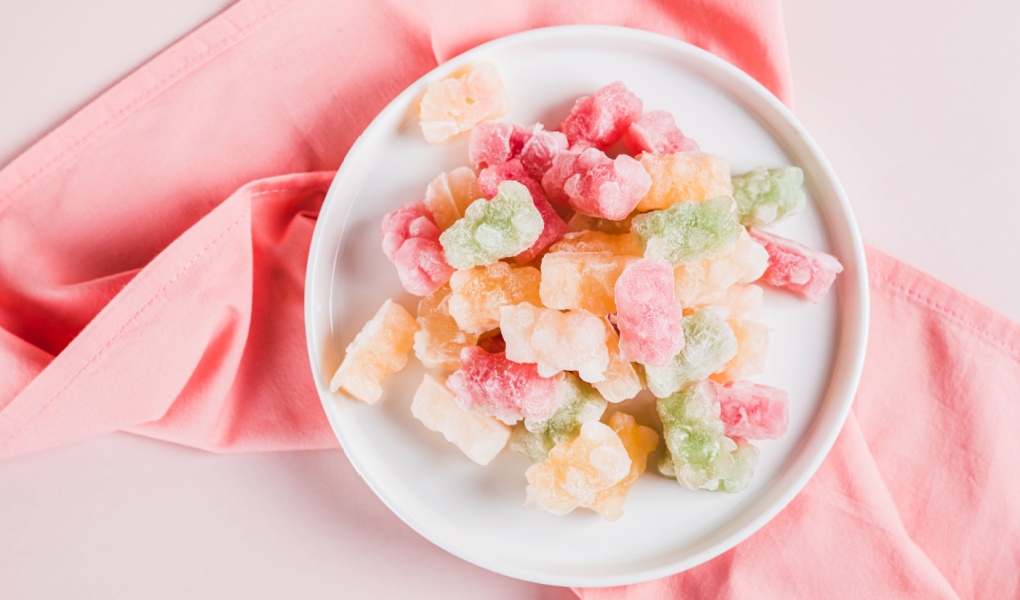
Most homemade gummies fail for one reason: people wing the ratios. Then they blame the mold, the juice, the moon cycle—whatever.
If you want gummies that taste like something you’d buy (not something you’d regret), lock in structure first. Flavor comes second.
Here are three different base builds—with completely different textures—plus flavor combinations that feel current, not craft-fair-core.
What Actually Controls Texture
Liquid concentration – Too much water = floppy sadness.
Set agent ratio – Guessing equals rubber. Measure.
Sugar balance – It’s not just sweetness. It affects chew and shelf life.
Get those right and you’re 90% there.
Base #1: Reduced Juice Gummies (Deep Flavor, Real Chew)
This one concentrates the juice first. Stronger fruit taste. Better bite.
You’ll Need
1½ cups fruit juice (you’ll reduce it)
3 tbsp unflavored gelatin
1–2 tbsp sugar (optional)
½ tsp lemon or lime juice
Tiny pinch of salt
How To Make
Simmer juice gently until reduced to 1 cup. Let it cool slightly.
Sprinkle gelatin over the warm (not hot) juice. Let sit 5–8 minutes.
Heat on low just until dissolved. No boiling.
Stir in sugar, salt, and citrus at the end.
Pour into molds. Chill 2–3 hours.
Texture tweak: Want firmer? Add ½ tbsp gelatin. Softer? Reduce by ½ tbsp.
This base hits harder because you’re not diluting flavor.
Base #2: Coconut Milk Gummies (Creamy, Dessert Vibes)
These feel like candy-meets-panna-cotta. Softer bite. Richer mouthfeel.
You’ll Need
¾ cup full-fat coconut milk
¼ cup fruit puree (mango, raspberry, passionfruit)
2½ tbsp unflavored gelatin
2–3 tbsp sugar or honey
Pinch salt
How To Make
Warm coconut milk gently.
Bloom gelatin directly into the fruit puree for 5 minutes.
Combine puree + gelatin into warm coconut milk. Stir smooth.
Add sweetener + salt.
Pour into molds. Chill 3 hours.
These don’t taste like juice gummies. They taste like dessert candy.
Base #3: Pectin Gummies (Closer to Store-Bought)
If you want that legit gummy candy chew, pectin is your move. It’s what commercial candy uses.
You’ll Need
1 cup fruit puree (not thin juice)
2 tbsp sugar
1½ tsp powdered pectin
1 tbsp lemon juice
How To Make
Mix sugar + pectin together first (prevents clumps).
Warm fruit puree.
Whisk in sugar-pectin mix. Bring to a light simmer for 1–2 minutes.
Remove from heat. Stir in lemon juice.
Pour into molds and let set at room temp 1–2 hours.
These set firmer and can handle sugar coating better.
Flavor Combos That Don’t Feel Basic
1) Mango Chili Lime
Mango puree base
Lime juice at finish
Light dusting of sugar + chili powder
Sweet, sharp, tiny kick. Way better than plain mango.
2) Blackberry Ginger Smash
Blackberry puree
½ tsp fresh grated ginger warmed into base
Strain before molding
Tastes like a cocktail without being syrupy.
3) Blood Orange Honey
Blood orange juice (reduced slightly)
Sweeten with honey
Micro pinch sea salt
Bright but deeper than standard orange.
4) Apple Cider Cinnamon
Reduced apple cider
Tiny pinch cinnamon
Optional sugar dust
Fall candy energy without screaming “holiday craft.”
5) Raspberry Dark Chocolate (Layered)
Bottom layer: raspberry gelatin base
Let set halfway
Top layer: thin melted dark chocolate brushed over
It eats like a candy bar bite.
How to Store Them Without Ruining the Texture
Airtight container in fridge
Separate layers with parchment
Air-dry 8–12 hours uncovered first if you want less stick
Pectin gummies can stay room temp for a few days
Fixing Common Fails
Grainy texture: Pectin wasn’t dissolved properly.
Too jiggly: Not enough set agent or too much liquid.
Rubbery: Too much gelatin.
Sticky surface: Too humid or sealed too fast.
Think About Gummies Differently
Most people chase “cool flavors.” That’s amateur thinking.
If you dial in concentration, set strength, and sugar structure, you can build anything:
Mocktail-inspired
Cream-based dessert bites
Sour candy shop style
Spiced seasonal drops
High-end fruit pairings
Once your structure’s right, flavor becomes modular.
That’s how you stop making experiments—and start making candy.